Plongez dans l’univers de «masturbate» grâce à cette vidéo YouTube
ThinkZone partage sa vision de « masturbate »
Mise en ligne par ThinkZone, cette vidéo est disponible sur YouTube
traitant de « masturbate »:
Cette vidéo était active en termes de visionnage à la date où nous l’avons remarquée. Le décompte de Likes indiquait: 239.
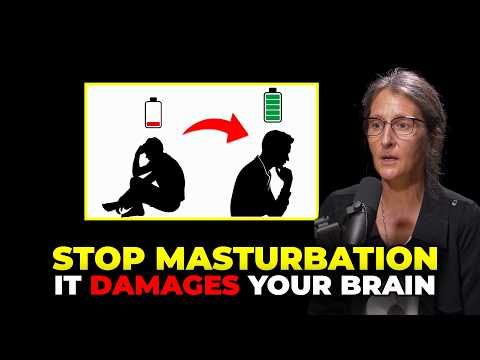
La vidéo dure 00:06:13 secondes et porte le titre Why MASTURBATION ruins your BRAIN… « Anna Lembke (née le 27 novembre 1967) est une psychiatre américaine qui est chef de la clinique de double diagnostic de médecine de toxicomanie de Stanford à l’Université de Stanford. Elle est spécialiste de l’épidémie d’opioïdes aux États-Unis et auteur de Drug Dealer, MD, How Doctors Were Duped, Patients Got Hooked et Why It’s So Hard to Stop. Son dernier livre, un best-seller du New York Times, Dopamine Nation : Finding Balance in the Age of Indulgence, est sorti en août 2021. Suivez-nous sur les réseaux sociaux : Instagram : https://www.instagram.com/thinkzone.clips/ Tiktok : https://www.tiktok.com/@think5one Source : https://www.youtube.com/watch?v=lKtX4GC4yOc Intervenante : Dr Anna Lembke Stockfootage by EnvatoElements Signal To Noise (CC-BY) de Scott Buckley » est sous licence Creative Commons ( cc-by ) Musique promue par BreakingCopyright : https://youtu.be/yePye8-D0zs Avis de non-responsabilité en matière d’utilisation équitable En vertu de l’article 107 de la loi sur le droit d’auteur de 1976, la doctrine de l’utilisation équitable autorise l’utilisation limitée de matériel protégé par le droit d’auteur à des fins telles que la critique, les commentaires, les reportages d’actualité, l’enseignement, l’érudition et la recherche. l’utilisation à but non lucratif, éducative ou personnelle fait pencher la balance en faveur d’une utilisation équitable. 1. Cette vidéo n’a pas d’impact négatif sur l’intégrité des œuvres originales. 2. Le but principal de cette vidéo est à des fins éducatives et pédagogiques. envoyez-nous via l’adresse e-mail fournie à 0thinksmart0@gmail.com ».
La plateforme YouTube permet une grande variété de contenus vidéo qui touchent des sujets allant de l’humour à des intérêts personnels divers. Elle met un point d’honneur à fournir un espace sûr et respectueux où chacun peut découvrir de nouveaux points de vue tout en suivant les directives communautaires.
Sexualité et masturbation : un voyage vers l’équilibre
La décision d’arrêter la masturbation constitue un challenge pour de nombreux individus. Pratique courante et souvent perçue comme une manière naturelle d’explorer sa sexualité, elle peut toutefois engendrer des difficultés lorsque la dépendance s’installe, impactant des aspects cruciaux tels que les relations, le bien-être mental et la productivité.
Analyser les racines et les manifestations de la dépendance à la masturbation
Repérer les premiers signes d’une dépendance
Lorsque la masturbation devient compulsive, elle est souvent marquée par une fréquence élevée et un contrôle insuffisant, ce qui peut perturber les relations amoureuses et affectives.
Observer les influences sur la santé mentale et corporelle
L’addiction à la masturbation, liée à une surconsommation de pornographie, génère une sollicitation excessive du système dopaminergique, ce qui peut entraîner des symptômes comme une éjaculation précoce, un épuisement énergétique ou une insatisfaction dans la vie sexuelle.
Clarifier la notion de masturbation et les diverses façons de la pratiquer
Activité sexuelle courante, la masturbation est souvent reconnue pour ses effets positifs sur la santé, notamment la diminution du stress et une meilleure connaissance de son corps. Néanmoins, lorsqu’elle est pratiquée de manière compulsive, elle peut devenir problématique.
Observer les avantages d’un sevrage réussi
Raconter le cheminement vers une santé mentale renforcée
L’arrêt de cette pratique peut conduire à une augmentation de l’énergie, à une humeur plus stable et à une concentration améliorée.
Présenter le chemin vers une harmonie durable
En réduisant la dépendance, des améliorations durables peuvent être observées dans les sphères personnelle, professionnelle et sociale.
Exposer les améliorations dans la communication avec autrui
Les liens avec un partenaire se renforcent, créant une meilleure connexion émotionnelle et physique.
Analyser les causes de l’augmentation de cette pratique
Évaluer l’impact de la consommation de pornographie sur les comportements
La pornographie est un facteur déterminant. Elle booste souvent l’envie de se masturber et peut nuire à la compréhension de la sexualité.
Mettre en lumière les éléments psychologiques et émotionnels
Des émotions comme le stress, l’anxiété ou l’insatisfaction dans d’autres pans de la vie peuvent déclencher cette pratique excessive.
Analyser l’impact de la solitude et du désir
L’isolement et un désir non satisfait dans une relation ou dans la vie personnelle sont des éléments clés dans l’engagement dans cette pratique.
Formuler une stratégie pour arrêter
Proposer des solutions pratiques pour réduire cette activité
- Fixer des objectifs clairs : Adoptez des stratégies progressives ou le mouvement « nofap » pour une abstinence totale.
- Repérer les déclencheurs : Identifiez ce qui vous pousse à avoir envie.
- Remplacer par des alternatives saines : Essayez le sport ou explorez de nouveaux hobbies.
Proposer un guide pour éviter de rechuter
- Bloquer l’accès à la pornographie : Activez des outils de filtrage pour limiter l’accès aux sites explicites.
- Éviter l’accès à la pornographie : Installez des outils de filtrage pour bloquer l’accès aux contenus explicites.
Montrer l’importance d’être entouré par une communauté de soutien
- Consulter un sexologue : Un expert peut fournir des conseils personnalisés. (voir à ce propos ce service)
- Rejoindre des groupes de soutien : Partager ses objectifs avec d’autres aide à rester motivé.
En somme
Mettre fin à la masturbation excessive est un processus qui requiert patience et persévérance. Avec une approche structurée et le soutien adéquat, il est possible de surmonter cette épreuve et de récolter les bienfaits d’une vie plus harmonieuse et focalisée sur des objectifs épanouissants.
Regardez la vidéo sur YouTube en cliquant sur ce lien :
la publication originale: Cliquer ici
#Pourquoi #MASTURBATION #ruine #votre #CERVEAU.. #Anna #Lembke
Retranscription des paroles de la vidéo: we have many many more people now struggling with addictions to things like online pornography online shopping social media video games you name it but not only are we seeing increased rates of addiction we’re seeing increased rates of anxiety depression suicide and one of the things that I think is incredibly powerful is if you look at countries around the world and their rates of depression anxiety and suicide it is very clear clear that the richest countries have the highest rates and the fastest growing rates of depression anxiety and suicide the reason that we’re all growing in our misery is because we’re constantly bombarding our reward pathway with highly reinforcing drugs and behaviors we’ve drugg aied almost every aspect of our existence and the result is that we’re walking around in a dopamine deficit State experiencing the universal symptoms of withdrawal more pleasure to feel any pleasure at all and feeling injury at the slightest bit of discomfort so what can we do about it what I have come to do in my psychiatric P practice whether the individual is coming in with addiction or whether they’re coming in with anxiety and depression the first thing that I will do is screen them for compulsive overc consumption of Highly reinforcing drugs and behaviors and suggest to them an experiment and the experiment goes like this try giving up this drug of choice for a month why because in doing so you will allow enough time for the neuroadaptation Gremlins on the pain side of your balance to hop off and for homeostasis to be restored and only then will you be able to get joy in more modest rewards and only then will you be able to see true cause and effect which is that compulsive overon consumption of these drugs is actually causing your depression and anxiety what do I do for pornography I say no watching pornography but also no orgasms with yourself or anybody else for a month right as a way to again reset reward Pathways and resetting reward Pathways is key to be able to have the cognitive and emotional strength to do what’s next which is decide next steps am I going to go back to using this drug or am I going to continue to abstain and either way how am I going to do that and then we talk about self-binding strategies and what do I mean by that self-binding strategies are barriers both literal and metacognitive that we can put in place to put the breaks on desire and they are absolutely fundamental in a in a world in which we’re being constantly tempted to indulge self-binding means things like not keeping your drug in your house or not keep keeping your drug in your room or making sure if you’re going to use in moderation you only use on special occasions and then don’t populate your calendar with a special occasion every night I have a young man addicted to video games and he came up with a bunch of great self- finding strategies one of them that was that he was going to have one laptop for video games and one laptop for schoolwork and that way he had a state dependent learning that he didn’t mix the two he decided there were certain video games he couldn’t play at all like league league of Legends because once he started he couldn’t stop he committed to playing only two hours a day only two days a week so he used time as a self-limiting strategy and he committed to playing only with friends never with strangers and thereby made his recreational use of video games something that could extend into positive use finally in the last minute I want to talk about one other strategy which is very counterintuitive and paradoxical but this really works and gets back to the balance it turns out that those Gremlins are agnostic to whatever the initial stimulus is so if we press on the pleasure Side by ingesting intoxicants in any form those Gremlins will hop on the pain side to try to bring us level again tilting us to pain and then hopefully back to homeostasis but if we press intentionally on the pain side in mild to moderate doses guess what those Gremlins hop on the pleasure side and with iterative repetition will’ll eventually reset our pleasure pain balance to the side of pleasure this is the science of hormesis hormesis is Greek for to set in motion and what we’re essentially doing there is using mild to moderate noxious stimuli to trigger our body’s own healing mechanisms by upregulating dopamine and other feel-good hormones and neurotransmitters in response to these minor toxins or injuries so when patients are trying to abstain for those 30 days and struggling in the moment a lot of times we think well if you’re uncomfortable do something to make yourself comfortable if you’re trying to quit eating sugar go binge on N Netflix instead but what I say to my patients is there’s a big risk of cross addiction if you give up one drug and replace it with another you may get addicted to that other drug but how about instead of when you’re feeling craving reaching for another drug do something that’s harder or more uncomfortable or more painful than the pain that you’re feeling in the Moment Like exercising like an ice cold water bath like making any effortful engagement that forces you to press a little bit on the pain side of the balance [Music] .
Déroulement de la vidéo:
0.04 we have many many more people now
2.2 struggling with addictions to things
3.84 like online pornography online shopping
6.799 social media video games you name it but
11.08 not only are we seeing increased rates
12.88 of addiction we’re seeing increased
14.4 rates of anxiety depression suicide and
18.439 one of the things that I think is
20.08 incredibly powerful is if you look at
23.32 countries around the world and their
26.199 rates of depression anxiety and suicide
28.84 it is very clear clear that the richest
32.04 countries have the highest rates and the
35.079 fastest growing rates of depression
37.36 anxiety and suicide the reason that
39.719 we’re all growing in our misery is
42.92 because we’re constantly bombarding our
45.039 reward pathway with highly reinforcing
47.719 drugs and behaviors we’ve drugg aied
49.96 almost every aspect of our existence and
52.44 the result is that we’re walking around
54.52 in a dopamine deficit State experiencing
57.52 the universal symptoms of withdrawal
60.239 more pleasure to feel any pleasure at
61.8 all and feeling injury at the slightest
64.439 bit of
65.84 discomfort so what can we do about it
69.04 what I have come to do in my psychiatric
71.159 P practice whether the individual is
72.88 coming in with addiction or whether
74.88 they’re coming in with anxiety and
76.96 depression the first thing that I will
78.96 do is screen them for compulsive overc
82.079 consumption of Highly reinforcing drugs
84.56 and behaviors and suggest to them an
87.88 experiment and the experiment goes like
90.68 this try giving up this drug of choice
94.56 for a month why because in doing so you
99.079 will allow enough time for the
101.439 neuroadaptation Gremlins on the pain
103.799 side of your balance to hop off and for
106.6 homeostasis to be restored and only then
109.84 will you be able to get joy in more
112.2 modest rewards and only then will you be
114.759 able to see true cause and effect which
118.24 is that compulsive overon consumption of
121.159 these drugs is actually causing your
124.28 depression and anxiety what do I do for
127.039 pornography I say no watching
129.0 pornography but also no orgasms with
131.2 yourself or anybody else for a month
133.48 right as a way to again reset reward
136.56 Pathways and resetting reward Pathways
139.28 is key to be able to have the cognitive
142.44 and emotional strength to do what’s next
145.12 which is decide next steps am I going to
147.44 go back to using this drug or am I going
149.64 to continue to abstain and either way
152.36 how am I going to do that and then we
154.08 talk about self-binding strategies and
156.599 what do I mean by that self-binding
159.08 strategies are barriers both literal and
162.92 metacognitive that we can put in place
165.56 to put the breaks on desire and they are
168.48 absolutely fundamental in a in a world
171.319 in which we’re being constantly tempted
174.239 to indulge self-binding means things
177.28 like not keeping your drug in your house
179.239 or not keep keeping your drug in your
181.0 room or making sure if you’re going to
183.159 use in moderation you only use on
185.72 special occasions and then don’t
187.239 populate your calendar with a special
188.799 occasion every
190.519 night I have a young man addicted to
193.04 video games and he came up with a bunch
194.64 of great self- finding strategies one of
196.959 them that was that he was going to have
198.239 one laptop for video games and one
200.2 laptop for schoolwork and that way he
202.36 had a state dependent learning that he
204.4 didn’t mix the two he decided there were
206.64 certain video games he couldn’t play at
208.599 all like league league of Legends
210.2 because once he started he couldn’t stop
212.72 he committed to playing only two hours a
214.84 day only two days a week so he used time
218.0 as a self-limiting strategy and he
220.12 committed to playing only with friends
222.239 never with strangers and thereby made
224.72 his recreational use of video games
226.92 something that could extend into
229.239 positive use finally in the last minute
232.159 I want to talk about one other strategy
235.0 which is very counterintuitive and
237.0 paradoxical but this really works and
239.879 gets back to the balance it turns out
242.599 that those Gremlins are agnostic to
245.4 whatever the initial stimulus is so if
248.12 we press on the pleasure Side by
249.879 ingesting intoxicants in any form those
252.879 Gremlins will hop on the pain side to
255.0 try to bring us level again tilting us
257.32 to pain and then hopefully back to
259.479 homeostasis but if we press
262.12 intentionally on the pain side in mild
265.32 to moderate doses guess what those
267.8 Gremlins hop on the pleasure side
270.4 and with iterative repetition will’ll
272.759 eventually reset our pleasure pain
276.199 balance to the side of
278.44 pleasure this is the science of hormesis
282.28 hormesis is Greek for to set in motion
285.28 and what we’re essentially doing there
287.4 is using mild to moderate noxious
290.28 stimuli to trigger our body’s own
293.68 healing mechanisms by upregulating
296.12 dopamine and other feel-good hormones
298.44 and neurotransmitters in response to
300.919 these minor toxins or injuries so when
305.0 patients are trying to abstain for those
307.72 30 days and struggling in the moment a
311.199 lot of times we think well if you’re
312.88 uncomfortable do something to make
314.88 yourself comfortable if you’re trying to
316.68 quit eating sugar go binge on N Netflix
319.919 instead but what I say to my patients is
322.4 there’s a big risk of cross addiction if
324.84 you give up one drug and replace it with
326.84 another you may get addicted to that
328.479 other drug but how about instead of when
331.6 you’re feeling craving reaching for
333.84 another drug do something that’s harder
336.919 or more uncomfortable or more painful
339.759 than the pain that you’re feeling in the
341.199 Moment Like exercising like an ice cold
344.08 water bath like making any effortful
347.08 engagement that forces you to press a
349.68 little bit on the pain side of the
351.52 balance
360.62 [Music]
.
Vous pouvez lire ce post traitant le sujet « chasteté ». Il est produit par la rédaction de chastete.fr. Le site chastete.fr a pour objectif de publier plusieurs articles autour du sujet chasteté développées sur le web. Cette chronique se veut générée de la façon la plus juste qui soit. Pour émettre des remarques sur ce dossier autour du sujet « chasteté » prenez les contacts indiqués sur notre site internet. En consultant régulièrement nos contenus de blog vous serez au courant des futures parutions.