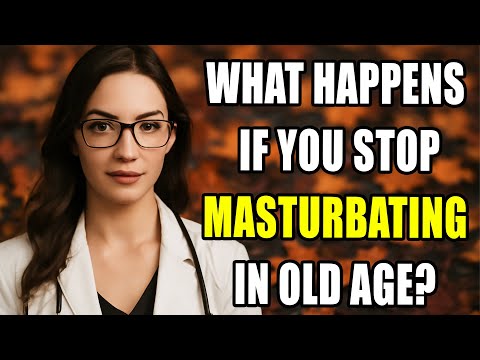
Cette vidéo traitant de « masturbate » est visible sur YouTube
Doctor’s Advice s’intéresse au sujet « masturbate »
Cette vidéo a été postée par Doctor’s Advice sur YouTube
portant sur « masturbate »:
Nous avons repéré cette vidéo il y a peu, et elle générait du trafic. Le nombre de Likes indiquait: 0.
Tips for Seniors, fournis par l’auteur. La description détaillée est la suivante :« Urologue explique: Que se passe-t-il si vous ne vous masturbez pas dans la vieillesse | Conseils pour les seniors United States Life After 70, sagesse, homme plus âgé, femme plus âgée, sages anciens, leçons de vie des personnes âgées, dictons, adultes plus âgés, cours de vie, 70 ans, santé senior, sage aîné, stoïcisme, après 60 Après 70, plus de 70 ans, à 70 ans, les conseils de personnes âgées, de citations, de dictons, de personnes âgées, de vieillesse, de conseils pour les personnes âgées, cette vidéo concerne les conseils et les conseils essentiels aux personnes âgées aux États-Unis. États-Unis #AdviceForelderly #SeniorHealth #Healthying #WiseElders #inspirationalQuotes #Lifelessons #lifechanging #Motivation #wisdom #GreateStQuotes #BestQuotes #timelesswisdom #Quotes #POEM #UnitedStates #AustRalie ».
YouTube est un excellent espace pour découvrir des vidéos touchant une grande variété de sujets, allant de la culture à des réflexions personnelles, tout en assurant que chaque utilisateur puisse interagir dans un cadre respectueux et sûr.
Sexualité et masturbation : un voyage vers l’équilibre
La masturbation, bien qu’elle soit généralement considérée comme une pratique naturelle permettant d’explorer sa sexualité, peut devenir une véritable source de difficulté pour certains. En effet, lorsque cela vire à l’addiction, cela peut impacter négativement la vie personnelle, les relations sociales et la stabilité émotionnelle.
Réfléchir aux facteurs sous-jacents à la croissance de cette pratique
Analyser l’effet de la pornographie sur les attitudes et comportements
La pornographie joue un rôle central. Elle stimule fréquemment le désir de se masturber et peut entraîner une perception erronée de la sexualité.
Étudier l’impact de l’isolement sur le désir
L’isolement et un désir non satisfait dans une relation ou dans la vie personnelle sont des éléments clés dans l’engagement dans cette pratique.
Réfléchir aux éléments affectifs et psychologiques
Le stress, l’anxiété ou un déséquilibre dans d’autres domaines de la vie peuvent entraîner cette pratique fréquente.
S’informer sur les caractéristiques et les impacts de la dépendance à la masturbation
Comprendre ce qu’est la masturbation et ses différentes formes
La masturbation, souvent considérée comme saine pour réduire le stress et mieux connaître son corps, peut poser problème lorsqu’elle dépasse certaines limites.
Identifier les indices d’une dépendance éventuelle
Lorsque la masturbation devient compulsive, elle est souvent marquée par une fréquence élevée et un contrôle insuffisant, ce qui peut perturber les relations amoureuses et affectives.
Analyser les transformations de la santé mentale et physique
Une dépendance à la masturbation, souvent associée à un usage excessif de pornographie, sollicite constamment le système dopaminergique, engendrant des problèmes tels que l’éjaculation précoce, la baisse d’énergie et une insatisfaction dans les relations sexuelles.
Mesurer l’impact d’un sevrage complet
Illustrer l’évolution vers une meilleure gestion de la santé mentale
Arrêter cette pratique conduit fréquemment à plus d’énergie, une humeur plus positive et une meilleure capacité de concentration.
Rappeler l’importance de suivre un chemin pour un bonheur stable
Réduire la dépendance peut offrir des avantages à long terme dans les aspects personnels, professionnels et sociaux.
Présenter les changements bénéfiques dans les relations sociales
Les liens avec un partenaire s’enrichissent, marqués par une connexion émotionnelle et physique plus forte.
Planifier un chemin d’action pour cesser
Présenter des moyens concrets pour réduire cette habitude
- Fixer des objectifs clairs : Adoptez des stratégies progressives ou le mouvement « nofap » pour une abstinence totale.
- Identifier les sources de déclenchement : Faites attention à ce qui vous incite à agir.
- Analyser les déclencheurs : Soyez attentif à ce qui provoque ce besoin.
Conseiller des mesures à prendre pour éviter les rechutes
- Organiser une journée structurée : Remplissez votre emploi du temps avec des activités variées et bien planifiées.
- Structurer vos journées : Créez une routine avec des activités régulières et bien organisées.
Mettre l’accent sur l’importance d’un réseau de soutien
- Prendre rendez-vous avec un sexologue : Il est capable de fournir des conseils sur mesure. (voir à ce proposce lien)
- S’associer à des groupes de soutien : Partager vos objectifs avec d’autres peut renforcer votre engagement.
Pour conclure
Renoncer à la masturbation fréquente est un processus qui nécessite du temps et de la persévérance. Grâce à un plan structuré et au soutien adéquat, il est possible de franchir ce défi et de profiter d’une existence plus équilibrée, axée sur des objectifs plus enrichissants.
Pour voir cette vidéo sur YouTube, suivez ce lien :
la source: Cliquer ici
#Urologue #explique #passetil #vous #vous #masturbez #pas #dans #vieillesse #Conseils #pour #les #personnes #âgées
Retranscription des paroles de la vidéo: They found him sitting alone, slouched forward in his recliner. No injuries, no calls for help, just silence. The TV was still on, his robe loosely draped, and the room held a quiet emptiness. The kind of stillness that only follows something irreversible. The autopsy said natural causes, but those of us who recognized the signs knew it was something else. A silent hormonal collapse, a gradual fading of a man’s vitality, not from illness, but from neglect. Sadly, he’s not alone. Every year, thousands of older men face this same slow decline in strength, sexual function, and emotional clarity while believing they’re doing the right thing by giving up what they think they no longer need. For decades, society has told men to avoid self-pleasure, that it’s immature, shameful, unnecessary. But past 60, that belief can quietly cost you everything. Here’s the truth no one says out loud. When you stop masturbating in later life, your body doesn’t just pause, it begins to break down. Your prostate stagnates, testosterone plunges, emotional resilience fades. By the time you notice, you’re already years behind. I’m Dr. Mojit Kara, a boardcertified urologist and men’s health expert with over 40 years helping aging men reclaim their vitality, confidence, and quality of life. I’ve met farmers, veterans, teachers, and grandfathers who believed abstaining was the right choice. And I’ve seen the regret in their eyes when the damage caught up. Most had no idea the habits they learned. Those shameful lessons from society were silently harming them during their most critical years. But there’s good news. In this video, I’ll explain the four real health consequences of stopping masturbation as you age. And more importantly, how to prevent them before it’s too late. These are simple, practical, medically sound strategies thousands of my patients use to protect sexual health, restore energy, and avoid common problems many men just assume come with aging. Stay until the end because the last consequence I’ll share is one many doctors won’t discuss, but it can silently triple your risk of prostate issues if ignored. If you want to protect your body, confidence, and independence as you get older, listen closely. And if you’re watching now, type one in the comments if you’re with me, or zero if you’re skeptical. I welcome both because this is a conversation older men deserve, free of shame and full of honest answers. Now, let’s start with the first and maybe the most dangerously overlooked effect of giving up masturbation in older age. The first major consequence I’ve seen countless times is loss of penile function. Men in their late 60s or early 70s come to my office confused and frustrated, telling me they haven’t had a spontaneous erection in months, sometimes over a year. What shocks them most isn’t the performance issue itself, but how suddenly it happened. One day they felt normal, the next something inside just stopped working. This catches many men off guard because no one ever told them that stopping sexual activity can cause their sexual function to fade like an unused muscle. Let me be clear, your penis isn’t just decoration. It’s a working organ that depends on regular blood flow and stimulation to stay healthy. After 60, going long periods without any sexual stimulation causes blood flow to slow, oxygen delivery to drop, and tissues to stiffen in the harmful way that leads to fibrosis, nerve damage, and irreversible erectile loss. This isn’t theory. It’s basic vascular biology. Think about it like this. If you stopped using your legs for 6 months, you’d lose strength, flexibility, and coordination. You might even forget how to walk. The same applies to your penis. After a certain age, it doesn’t just go on standby. It begins to shut down when unused. Even worse, this decline happens silently. You don’t notice until one day your morning erections disappear. Then physical touch or fantasies no longer work. Eventually, even medications don’t help because the damage is done. I’ve had men sit in front of me, eyes watering, asking if they can get it back. Some do with aggressive therapy, lifestyle changes, and medical support, but many waited too long. They thought quitting masturbation was harmless, a sign of self-control. In reality, it’s the quiet start of functional decay. And let me stress, this isn’t about obsession with sex. It’s about preserving a vital part of your circulatory system, hormone regulation, and masculine identity. Keeping up occasional solo activity, even once or twice a week, helps maintain blood flow, keep nerves alive, and remind your body that this function still matters. The truth is simple. If you don’t use it, you lose it. And after a certain age, that loss can be permanent. I’ve seen men devastated, not to impress others, but because it affects their self-esteem, relationships, and sense of manhood. And the worst part, it’s completely preventable. All it takes is consistency. Not indulgence, but attention. While most men fear losing erections, they often don’t realize that’s just the beginning. The next consequence of quitting masturbation hits even deeper. Your hormones. Once those start crashing, the effects ripple far beyond the bedroom. It usually begins subtly. Testosterone production drops. A man stops feeling like himself, but can’t explain why. He’s less eager to get out of bed, skips walks, loses appetite. His mood flattens. He feels tired, irritable, withdrawn. Deep down, he senses something important slipping away, but he can’t pinpoint it. In my clinic, many blame aging, stress, or poor sleep. But when we look closer, we find a common cause. testosterone levels falling, not just naturally with age, but accelerated by a total loss of sexual stimulation. Here’s what few hear. Masturbation is one of the rare non-drug ways older men can naturally boost testosterone. It’s not about sex or fantasy. It’s biology. Regular arousal and release send signals from the brain that regulate hormones. Dopamine rises, the hypothalamus activates, and even in your 60s or 70s, your testicles get the message, keep producing testosterone. Stop that process, and your body assumes intimacy isn’t needed. So, it cuts hormone production. Once this cycle starts, reversing it is tough. Men with low testosterone don’t just feel tired, they lose their identity. They can’t focus, lose interest in what once made them proud. Their muscles weaken, bones grow fragile, depression creeps in. Worst of all, cardiovascular risks rise, making heart attacks and strokes more likely. I’ve seen vibrant men become shadows in a few years. Not from illness, but because no one told them how vital regular sexual stimulation is to hormonal health. One retired firefighter patient said after his hormone levels dropped, he felt like he didn’t matter anymore. He told me, « Doc, I don’t even recognize the man in the mirror. That look in his eyes wasn’t vanity. It was grief. And this could have been avoided with a little education and a simple habit he thought was wrong. He could have preserved not just his hormones, but his happiness, energy, and drive. The hard truth. Once testosterone crashes in older age, it can take years of therapy and thousands of dollars to restore it, if it returns at all. But with steady, respectful engagement in your own intimacy, you can hold the line longer than most think possible. While hormones often work quietly in the background, the next consequence is something every man feels physically, sometimes painfully. It’s a condition that develops silently inside the body until it starts disrupting daily life. Yet, most don’t realize it’s linked to one simple cause, what they’ve stopped doing. Let me explain. Many older men experience a dull, heavy ache deep in the pelvis, a strange pressure after sitting too long, or a nagging urge to urinate even when their bladder isn’t full. It doesn’t hit suddenly like a heart attack. Instead, it builds slowly and quietly until it begins interfering with daily activities. By the time most men talk to their doctor, they’ve been dealing with this discomfort for months or even years. What’s shocking is how often this silent suffering is due to prostate congestion caused by a lack of ejaculation. The prostate isn’t just a bystander. It’s an active gland producing and storing seinal fluid. That fluid is meant to move to be expelled. When masturbation or sex stops completely, especially later in life, that fluid sits and thickens. Pressure builds, inflammation creeps in, and that’s when you start noticing changes. Slower urine flow, pelvic discomfort, lower back pain, and a constant need to go that interrupts sleep. As a urologist, I’ve seen many older men come in thinking they have bladder problems only to find out it’s an inflamed, irritated prostate. In many cases, the answer isn’t medication. It’s movement. The body naturally cleanses itself through regular ejaculation. When this process is ignored for too long, consequences can be severe. Some men develop chronic prostatitis, a painful, long-term inflammation that’s hard to treat and even harder to live with. Others end up needing invasive procedures just to feel normal again. But beyond the physical pain, there’s another risk most men never hear about. Research, including a well-known Harvard study, shows regular ejaculation may help reduce prostate cancer risk. The idea is simple. Regularly emptying the prostate lowers the buildup of harmful substances. Letting fluids stagnate for months can increase inflammation and long-term risks. One patient I treated had almost 2 years without any sexual activity. He felt no need and thought that chapter was over. But when his PSA levels rose sharply and further tests were done, his prostate was swollen and congested. He faced biopsy talks that could have been avoided by simply maintaining occasional release. This isn’t about encouraging indulgence. It’s about preventing suffering. The male body doesn’t stop needing care after 60. If anything, it needs more respect and attention. The prostate is one of the most vulnerable organs in older men. When neglected, the damage isn’t just uncomfortable. It can change your life. While a congested prostate causes pain, irritation, and sleepless nights running to the bathroom, the final consequence strikes even deeper. It attacks how a man feels about himself. For many, it’s the one they don’t see coming until it’s already taken hold. Let me explain what I mean. Emotional and intimacy decline is the quietest yet often the most devastating change. It doesn’t show up on blood tests and isn’t easily measured, but you feel it deep inside. A slow fading of the spark you once had, a growing distance from yourself that’s hard to explain. It happens gradually. You stop masturbating because you think you no longer need to. You tell yourself it’s just age or lack of interest or because you’re not in a relationship. But over time, this choice doesn’t just affect your body. It seeps into your mind, emotions, and very sense of being alive. I’ve spoken with men who say they feel hollow inside. Not from illness or pain, but because they’ve gone months, sometimes years, without any form of release, without any intimacy, even with themselves. Slowly, they start feeling invisible, unwanted, unnecessary. They don’t talk about it, of course. Most older men were never taught how, but it shows in the way they walk, avoid mirrors, or lower their voices when you ask how they’re doing. This isn’t about sex. It’s about vitality, the deep connection between your body and emotional well-being. Giving up self-pleasure cuts off one of the last paths to joy, self-recognition, and feeling human. For men over 60, that’s not just a loss, it’s a wound. Arousal, pleasure, and release aren’t just for the young. They keep your brain engaged, hormones balanced, and emotions healthy. Neurologically, the chemicals released during masturbation, dopamine, oxytocin, endorphins, regulate mood, reduce anxiety, and stabilize emotions. Without them, men face higher risks of depression, loneliness, and even cognitive decline. I’ve seen confident, social men slowly become isolated, withdrawn, and apathetic. Not because their lives changed, but because they stopped connecting with a part of themselves that once made them feel alive. What makes this especially dangerous is that many men don’t realize the link between their emotional numbness and their decision to stop intimacy months ago. By the time they feel the effects, damage has already set in. Reversing it requires more than hormone therapy or new routines. It means rebuilding your relationship with yourself and remembering that even in old age, your body still craves feeling, expression, and connection. This consequence breaks my heart the most because it steals a man’s dignity without him even noticing. It takes away the quiet confidence and warmth he once carried, leaving behind a shell he no longer recognizes. But here’s the truth I want every man to hear. It’s never too late to reconnect with yourself, to reignite the energy you thought was lost. In the final part of this video, I’ll show you simple sciencebacked steps you can take today to restore what many older men have lost and protect what you still have the power to save. Let’s finish this together. Many older men believe that intimacy, pleasure, and desire are things you outgrow. that after a certain age your body should go quiet and that giving up these parts of yourself is noble or respectable. But after more than 30 years working with men in their 60s,7s and beyond, I can tell you that belief is costing far too many men their health, happiness, and identity. Today, you’ve heard how stopping masturbation can cause a slow breakdown of sexual function, a dangerous drop in hormones, swelling and inflammation in the prostate, and a silent emotional numbness that erodess your spirit day by day. These aren’t small changes. They are lifealtering shifts caused not by aging itself, but by neglect. The good news, it doesn’t have to be this way. Your body still remembers how to feel. Your mind still craves connection. Your health depends on honoring every part of yourself, even the parts no one else sees. This isn’t about lust. It’s about life. It’s about preserving what makes you feel strong, whole, and human. You don’t need to feel ashamed for choosing health over silence. If this message resonated with you, I invite you to take it seriously and personally because it is personal. If you’re ready to take back control of this part of your life, I’m with you. You’re not alone and you’re not done yet. If this message spoke to something inside you, even a little, type one in the comments to show you’re still here, still care, and still fighting for your health. If it didn’t, that’s okay, too. Type zero and tell me what you need. Either way, your voice matters, and you’re not alone. .
Déroulement de la vidéo:
1.28 They found him sitting alone, slouched
1.28 forward in his recliner. No injuries, no
1.28 calls for help, just silence. The TV was
1.28 still on, his robe loosely draped, and
1.28 the room held a quiet emptiness. The
1.28 kind of stillness that only follows
1.28 something irreversible. The autopsy said
1.28 natural causes, but those of us who
1.28 recognized the signs knew it was
1.28 something else. A silent hormonal
1.28 collapse, a gradual fading of a man&;s
1.28 vitality, not from illness, but from
1.28 neglect. Sadly, he&;s not alone. Every
1.28 year, thousands of older men face this
1.28 same slow decline in strength, sexual
1.28 function, and emotional clarity while
1.28 believing they&;re doing the right thing
1.28 by giving up what they think they no
1.28 longer need. For decades, society has
1.28 told men to avoid self-pleasure, that
1.28 it&;s immature, shameful, unnecessary.
1.28 But past 60, that belief can quietly
1.28 cost you everything. Here&;s the truth no
1.28 one says out loud. When you stop
1.28 masturbating in later life, your body
1.28 doesn&;t just pause, it begins to break
1.28 down. Your prostate stagnates,
1.28 testosterone plunges, emotional
1.28 resilience fades. By the time you
1.28 notice, you&;re already years behind. I&;m
1.28 Dr. Mojit Kara, a boardcertified
1.28 urologist and men&;s health expert with
1.28 over 40 years helping aging men reclaim
1.28 their vitality, confidence, and quality
1.28 of life. I&;ve met farmers, veterans,
1.28 teachers, and grandfathers who believed
1.28 abstaining was the right choice. And
1.28 I&;ve seen the regret in their eyes when
1.28 the damage caught up. Most had no idea
1.28 the habits they learned. Those shameful
1.28 lessons from society were silently
1.28 harming them during their most critical
1.28 years. But there&;s good news. In this
1.28 video, I&;ll explain the four real health
1.28 consequences of stopping masturbation as
1.28 you age. And more importantly, how to
1.28 prevent them before it&;s too late. These
1.28 are simple, practical, medically sound
1.28 strategies thousands of my patients use
1.28 to protect sexual health, restore
1.28 energy, and avoid common problems many
1.28 men just assume come with aging. Stay
1.28 until the end because the last
1.28 consequence I&;ll share is one many
1.28 doctors won&;t discuss, but it can
1.28 silently triple your risk of prostate
1.28 issues if ignored. If you want to
1.28 protect your body, confidence, and
1.28 independence as you get older, listen
1.28 closely. And if you&;re watching now,
1.28 type one in the comments if you&;re with
1.28 me, or zero if you&;re skeptical. I
1.28 welcome both because this is a
1.28 conversation older men deserve, free of
1.28 shame and full of honest answers. Now,
1.28 let&;s start with the first and maybe the
1.28 most dangerously overlooked effect of
1.28 giving up masturbation in older age. The
1.28 first major consequence I&;ve seen
1.28 countless times is loss of penile
1.28 function. Men in their late 60s or early
1.28 70s come to my office confused and
1.28 frustrated, telling me they haven&;t had
1.28 a spontaneous erection in months,
1.28 sometimes over a year. What shocks them
1.28 most isn&;t the performance issue itself,
1.28 but how suddenly it happened. One day
1.28 they felt normal, the next something
1.28 inside just stopped working. This
1.28 catches many men off guard because no
1.28 one ever told them that stopping sexual
1.28 activity can cause their sexual function
1.28 to fade like an unused muscle. Let me be
1.28 clear, your penis isn&;t just decoration.
1.28 It&;s a working organ that depends on
1.28 regular blood flow and stimulation to
1.28 stay healthy. After 60, going long
1.28 periods without any sexual stimulation
1.28 causes blood flow to slow, oxygen
1.28 delivery to drop, and tissues to stiffen
1.28 in the harmful way that leads to
1.28 fibrosis, nerve damage, and irreversible
1.28 erectile loss. This isn&;t theory. It&;s
1.28 basic vascular biology. Think about it
1.28 like this. If you stopped using your
1.28 legs for 6 months, you&;d lose strength,
1.28 flexibility, and coordination. You might
1.28 even forget how to walk. The same
1.28 applies to your penis. After a certain
1.28 age, it doesn&;t just go on standby. It
1.28 begins to shut down when unused. Even
1.28 worse, this decline happens silently.
1.28 You don&;t notice until one day your
1.28 morning erections disappear. Then
1.28 physical touch or fantasies no longer
1.28 work. Eventually, even medications don&;t
1.28 help because the damage is done. I&;ve
1.28 had men sit in front of me, eyes
1.28 watering, asking if they can get it
1.28 back. Some do with aggressive therapy,
1.28 lifestyle changes, and medical support,
1.28 but many waited too long. They thought
1.28 quitting masturbation was harmless, a
1.28 sign of self-control. In reality, it&;s
1.28 the quiet start of functional decay. And
1.28 let me stress, this isn&;t about
1.28 obsession with sex. It&;s about
1.28 preserving a vital part of your
1.28 circulatory system, hormone regulation,
1.28 and masculine identity. Keeping up
1.28 occasional solo activity, even once or
1.28 twice a week, helps maintain blood flow,
1.28 keep nerves alive, and remind your body
1.28 that this function still matters. The
1.28 truth is simple. If you don&;t use it,
1.28 you lose it. And after a certain age,
1.28 that loss can be permanent. I&;ve seen
1.28 men devastated, not to impress others,
1.28 but because it affects their
1.28 self-esteem, relationships, and sense of
1.28 manhood. And the worst part, it&;s
1.28 completely preventable. All it takes is
1.28 consistency. Not indulgence, but
1.28 attention. While most men fear losing
1.28 erections, they often don&;t realize
1.28 that&;s just the beginning. The next
1.28 consequence of quitting masturbation
1.28 hits even deeper. Your hormones. Once
1.28 those start crashing, the effects ripple
1.28 far beyond the bedroom. It usually
1.28 begins subtly. Testosterone production
1.28 drops. A man stops feeling like himself,
1.28 but can&;t explain why. He&;s less eager
1.28 to get out of bed, skips walks, loses
1.28 appetite. His mood flattens. He feels
1.28 tired, irritable, withdrawn. Deep down,
1.28 he senses something important slipping
1.28 away, but he can&;t pinpoint it. In my
1.28 clinic, many blame aging, stress, or
1.28 poor sleep. But when we look closer, we
1.28 find a common cause. testosterone levels
1.28 falling, not just naturally with age,
1.28 but accelerated by a total loss of
1.28 sexual stimulation. Here&;s what few
1.28 hear. Masturbation is one of the rare
1.28 non-drug ways older men can naturally
1.28 boost testosterone. It&;s not about sex
1.28 or fantasy. It&;s biology. Regular
1.28 arousal and release send signals from
1.28 the brain that regulate hormones.
1.28 Dopamine rises, the hypothalamus
1.28 activates, and even in your 60s or 70s,
1.28 your testicles get the message, keep
1.28 producing testosterone. Stop that
1.28 process, and your body assumes intimacy
1.28 isn&;t needed. So, it cuts hormone
1.28 production. Once this cycle starts,
1.28 reversing it is tough. Men with low
1.28 testosterone don&;t just feel tired, they
1.28 lose their identity. They can&;t focus,
1.28 lose interest in what once made them
1.28 proud. Their muscles weaken, bones grow
1.28 fragile, depression creeps in. Worst of
1.28 all, cardiovascular risks rise, making
1.28 heart attacks and strokes more likely.
1.28 I&;ve seen vibrant men become shadows in
1.28 a few years. Not from illness, but
1.28 because no one told them how vital
1.28 regular sexual stimulation is to
1.28 hormonal health. One retired firefighter
1.28 patient said after his hormone levels
1.28 dropped, he felt like he didn&;t matter
1.28 anymore. He told me, "Doc, I don&;t even
1.28 recognize the man in the mirror. That
1.28 look in his eyes wasn&;t vanity. It was
1.28 grief. And this could have been avoided
1.28 with a little education and a simple
1.28 habit he thought was wrong. He could
1.28 have preserved not just his hormones,
1.28 but his happiness, energy, and drive.
1.28 The hard truth. Once testosterone
1.28 crashes in older age, it can take years
1.28 of therapy and thousands of dollars to
1.28 restore it, if it returns at all. But
1.28 with steady, respectful engagement in
1.28 your own intimacy, you can hold the line
1.28 longer than most think possible. While
1.28 hormones often work quietly in the
1.28 background, the next consequence is
1.28 something every man feels physically,
1.28 sometimes painfully. It&;s a condition
1.28 that develops silently inside the body
1.28 until it starts disrupting daily life.
1.28 Yet, most don&;t realize it&;s linked to
1.28 one simple cause, what they&;ve stopped
1.28 doing. Let me explain. Many older men
1.28 experience a dull, heavy ache deep in
1.28 the pelvis, a strange pressure after
1.28 sitting too long, or a nagging urge to
1.28 urinate even when their bladder isn&;t
1.28 full. It doesn&;t hit suddenly like a
1.28 heart attack. Instead, it builds slowly
1.28 and quietly until it begins interfering
1.28 with daily activities. By the time most
1.28 men talk to their doctor, they&;ve been
1.28 dealing with this discomfort for months
1.28 or even years. What&;s shocking is how
1.28 often this silent suffering is due to
1.28 prostate congestion caused by a lack of
1.28 ejaculation. The prostate isn&;t just a
1.28 bystander. It&;s an active gland
1.28 producing and storing seinal fluid. That
1.28 fluid is meant to move to be expelled.
1.28 When masturbation or sex stops
1.28 completely, especially later in life,
1.28 that fluid sits and thickens. Pressure
1.28 builds, inflammation creeps in, and
1.28 that&;s when you start noticing changes.
1.28 Slower urine flow, pelvic discomfort,
1.28 lower back pain, and a constant need to
1.28 go that interrupts sleep. As a
1.28 urologist, I&;ve seen many older men come
1.28 in thinking they have bladder problems
1.28 only to find out it&;s an inflamed,
1.28 irritated prostate. In many cases, the
1.28 answer isn&;t medication. It&;s movement.
1.28 The body naturally cleanses itself
1.28 through regular ejaculation. When this
1.28 process is ignored for too long,
1.28 consequences can be severe. Some men
1.28 develop chronic prostatitis, a painful,
1.28 long-term inflammation that&;s hard to
1.28 treat and even harder to live with.
1.28 Others end up needing invasive
1.28 procedures just to feel normal again.
1.28 But beyond the physical pain, there&;s
1.28 another risk most men never hear about.
1.28 Research, including a well-known Harvard
1.28 study, shows regular ejaculation may
1.28 help reduce prostate cancer risk. The
1.28 idea is simple. Regularly emptying the
1.28 prostate lowers the buildup of harmful
1.28 substances. Letting fluids stagnate for
1.28 months can increase inflammation and
1.28 long-term risks. One patient I treated
1.28 had almost 2 years without any sexual
1.28 activity. He felt no need and thought
1.28 that chapter was over. But when his PSA
1.28 levels rose sharply and further tests
1.28 were done, his prostate was swollen and
1.28 congested. He faced biopsy talks that
1.28 could have been avoided by simply
1.28 maintaining occasional release. This
1.28 isn&;t about encouraging indulgence. It&;s
1.28 about preventing suffering. The male
1.28 body doesn&;t stop needing care after 60.
1.28 If anything, it needs more respect and
1.28 attention. The prostate is one of the
1.28 most vulnerable organs in older men.
1.28 When neglected, the damage isn&;t just
1.28 uncomfortable. It can change your life.
1.28 While a congested prostate causes pain,
1.28 irritation, and sleepless nights running
1.28 to the bathroom, the final consequence
1.28 strikes even deeper. It attacks how a
1.28 man feels about himself. For many, it&;s
1.28 the one they don&;t see coming until it&;s
1.28 already taken hold. Let me explain what
1.28 I mean. Emotional and intimacy decline
1.28 is the quietest yet often the most
1.28 devastating change. It doesn&;t show up
1.28 on blood tests and isn&;t easily
1.28 measured, but you feel it deep inside. A
1.28 slow fading of the spark you once had, a
1.28 growing distance from yourself that&;s
1.28 hard to explain. It happens gradually.
1.28 You stop masturbating because you think
1.28 you no longer need to. You tell yourself
1.28 it&;s just age or lack of interest or
1.28 because you&;re not in a relationship.
1.28 But over time, this choice doesn&;t just
1.28 affect your body. It seeps into your
1.28 mind, emotions, and very sense of being
1.28 alive. I&;ve spoken with men who say they
1.28 feel hollow inside. Not from illness or
1.28 pain, but because they&;ve gone months,
1.28 sometimes years, without any form of
1.28 release, without any intimacy, even with
1.28 themselves. Slowly, they start feeling
1.28 invisible, unwanted, unnecessary. They
1.28 don&;t talk about it, of course. Most
1.28 older men were never taught how, but it
1.28 shows in the way they walk, avoid
1.28 mirrors, or lower their voices when you
1.28 ask how they&;re doing. This isn&;t about
1.28 sex. It&;s about vitality, the deep
1.28 connection between your body and
1.28 emotional well-being. Giving up
1.28 self-pleasure cuts off one of the last
1.28 paths to joy, self-recognition, and
1.28 feeling human. For men over 60, that&;s
1.28 not just a loss, it&;s a wound. Arousal,
1.28 pleasure, and release aren&;t just for
1.28 the young. They keep your brain engaged,
1.28 hormones balanced, and emotions healthy.
1.28 Neurologically, the chemicals released
1.28 during masturbation, dopamine, oxytocin,
1.28 endorphins, regulate mood, reduce
1.28 anxiety, and stabilize emotions. Without
1.28 them, men face higher risks of
1.28 depression, loneliness, and even
1.28 cognitive decline. I&;ve seen confident,
1.28 social men slowly become isolated,
1.28 withdrawn, and apathetic. Not because
1.28 their lives changed, but because they
1.28 stopped connecting with a part of
1.28 themselves that once made them feel
1.28 alive. What makes this especially
1.28 dangerous is that many men don&;t realize
1.28 the link between their emotional
1.28 numbness and their decision to stop
1.28 intimacy months ago. By the time they
1.28 feel the effects, damage has already set
1.28 in. Reversing it requires more than
1.28 hormone therapy or new routines. It
1.28 means rebuilding your relationship with
1.28 yourself and remembering that even in
1.28 old age, your body still craves feeling,
1.28 expression, and connection. This
1.28 consequence breaks my heart the most
1.28 because it steals a man&;s dignity
1.28 without him even noticing. It takes away
1.28 the quiet confidence and warmth he once
1.28 carried, leaving behind a shell he no
1.28 longer recognizes. But here&;s the truth
1.28 I want every man to hear. It&;s never too
1.28 late to reconnect with yourself, to
1.28 reignite the energy you thought was
1.28 lost. In the final part of this video,
1.28 I&;ll show you simple sciencebacked steps
1.28 you can take today to restore what many
1.28 older men have lost and protect what you
1.28 still have the power to save. Let&;s
1.28 finish this together. Many older men
1.28 believe that intimacy, pleasure, and
1.28 desire are things you outgrow. that
1.28 after a certain age your body should go
1.28 quiet and that giving up these parts of
1.28 yourself is noble or respectable. But
1.28 after more than 30 years working with
1.28 men in their 60s,7s and beyond, I can
1.28 tell you that belief is costing far too
1.28 many men their health, happiness, and
1.28 identity. Today, you&;ve heard how
1.28 stopping masturbation can cause a slow
1.28 breakdown of sexual function, a
1.28 dangerous drop in hormones, swelling and
1.28 inflammation in the prostate, and a
1.28 silent emotional numbness that erodess
1.28 your spirit day by day. These aren&;t
1.28 small changes. They are lifealtering
1.28 shifts caused not by aging itself, but
1.28 by neglect. The good news, it doesn&;t
1.28 have to be this way. Your body still
1.28 remembers how to feel. Your mind still
1.28 craves connection. Your health depends
1.28 on honoring every part of yourself, even
1.28 the parts no one else sees. This isn&;t
1.28 about lust. It&;s about life. It&;s about
1.28 preserving what makes you feel strong,
1.28 whole, and human. You don&;t need to feel
1.28 ashamed for choosing health over
1.28 silence. If this message resonated with
1.28 you, I invite you to take it seriously
1.28 and personally because it is personal.
1.28 If you&;re ready to take back control of
1.28 this part of your life, I&;m with you.
1.28 You&;re not alone and you&;re not done
1.28 yet. If this message spoke to something
1.28 inside you, even a little, type one in
1.28 the comments to show you&;re still here,
1.28 still care, and still fighting for your
1.28 health. If it didn&;t, that&;s okay, too.
1.28 Type zero and tell me what you need.
1.28 Either way, your voice matters, and
1.28 you&;re not alone.
.
Vous pouvez lire ce post traitant le sujet « chasteté ». Il est produit par la rédaction de chastete.fr. Le site chastete.fr a pour objectif de publier plusieurs articles autour du sujet chasteté développées sur le web. Cette chronique se veut générée de la façon la plus juste qui soit. Pour émettre des remarques sur ce dossier autour du sujet « chasteté » prenez les contacts indiqués sur notre site internet. En consultant régulièrement nos contenus de blog vous serez au courant des futures parutions.