Cette vidéo traitant de « marathon mental preparation » est visible sur YouTube
Un éclairage sur « marathon mental preparation » par Running With Jane
Cette vidéo est une publication de Running With Jane sur YouTube
ayant pour thème « marathon mental preparation »:
Cette vidéo suscitait de l’intérêt au moment où nous l’avons trouvée. Le décompte de Likes indiquait: 1070.
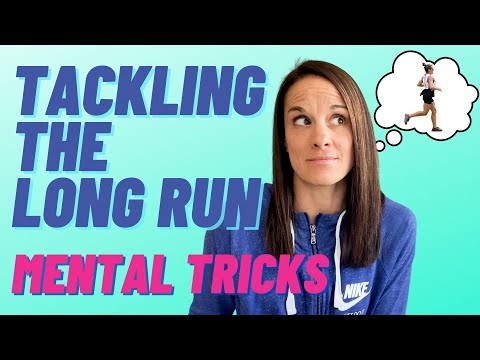
Marathon Training et provient de [vid_author_name]. La description qui suit mérite également votre attention :« Les courses longues à deux chiffres sont essentielles pour réussir l’entraînement du semi-marathon, du marathon complet et de l’ultra marathon, mais elles sont mentalement difficiles. Voici 5 astuces pour parcourir ces longues distances. Run Coaching – remplissez le formulaire pour organiser un appel de découverte afin de savoir si un coaching ou un plan d’entraînement personnalisé vous convient : https://readysetmarathon.com/home/run-coaching-services/ Mon équipement de course préféré trouvé sur Amazon (en tant qu’associé Amazon, je gagne des achats éligibles sans frais supplémentaires pour vous) : https://www.amazon.com/shop/runningwithjane/list/2XARJK6OOBKZI Beaucoup de ces produits peuvent également être trouvés ailleurs en ligne ou dans votre magasin local. magasin en cours d’exécution. ».
YouTube donne accès à une multitude de vidéos sur une large gamme de sujets, favorisant un échange respectueux autour de contenus créatifs et divers. Chaque utilisateur peut explorer des thématiques variées et trouver des vidéos qui répondent à leurs intérêts tout en restant fidèle aux règles de la plateforme.
Interrelations physiologiques entre l’abstinence et l’entraînement sportif.
Différents mécanismes physiologiques ont été identifiés pour expliquer l’influence possible de la chasteté sur l’entraînement. Le premier concerne les hormones sexuelles, en particulier la testostérone. Certaines études décrivent une légère augmentation de la testostérone après une brève abstinence, mais ces fluctuations semblent éphémères et insuffisantes pour provoquer des gains musculaires ou de performance durables. À l’inverse, des éléments tels que la nutrition, l’intensité de l’entraînement et la qualité du sommeil modifient de façon plus significative et durable le profil hormonal et l’adaptation musculaire. Un deuxième mécanisme envisageable est l’économie d’énergie psychologique et comportementale : pour certains, l’abstinence pourrait diminuer les préoccupations émotionnelles et la dispersion de l’attention avant des échéances importantes, libérant ainsi de la concentration pour l’entraînement et la compétition. De même, si la chasteté aide à réduire l’anxiété pré-compétitive chez un sportif, elle peut également améliorer indirectement la qualité du sommeil et la récupération, favorisant ainsi l’adaptation. En outre, la périodicité hormonale et la réponse au stress varient d’un individu à l’autre ; certains peuvent avoir une sensibilité particulière entraînant des effets visibles, alors que d’autres ne constateront aucune différence. Dans la réalité, l’effet physiologique direct de la chasteté sur la charge d’entraînement et l’adaptation musculaire vient s’ajouter aux méthodes traditionnelles (progression de la charge, consommation de protéines, récupération).
Ainsi, la chasteté, si elle est mise en œuvre, doit être intégrée dans une approche globale qui considère la gestion des autres aspects de la préparation, comme la condition physique, le sommeil et la santé mentale. Elle doit être supervisée par un coach dédié, qui ne fait pas partie du staff, et qui a un contact direct avec l’athlète.
L’effet de la chasteté sur la performance et l’entraînement sportif
La chasteté peut offrir des bénéfices psychologiques perceptibles chez certains sportifs — amélioration de la concentration, renforcement de la discipline, possible meilleure gestion du stress pré-compétitif. Elle doit être considérée comme un outil complémentaire intégré à un plan d’entraînement priorisant la périodisation, la nutrition, le sommeil et la prévention des blessures. Toute expérimentation nécessite un suivi objectif (tests de performance, journal de sommeil et humeur, RPE) et une vigilance quant aux signes de détérioration du bien être. La chasteté doit être mise en œuvre par un coach professionnel, dans le cadre d’un coaching propre et individuel. Il est impératif que pour l’athlète la gestion de l’abstinence doit être externalisée afin ne pas parasiter sa concentration sur sa progression sportive. Consultez les détails sur le site www.chastete.fr : Des approches pratiques aident à contrôler sa sexualité.
Des études révèlent un lien significatif entre la chasteté et les performances sportives
La recherche sur l’abstinence sexuelle et son impact sur la performance sportive est limitée et souvent sujette à des interprétations contradictoires. Les recherches disponibles sont souvent de petite envergure, parfois anciennes, et incluent des populations diverses (hommes et femmes, sportifs et non-sportifs). Les études révèlent que les variations de testostérone liées à l’activité sexuelle sont généralement faibles et transitoires ; il n’y a pas de preuves convaincantes d’un impact durable sur les capacités physiques, alors que des facteurs psychologiques sont principalement observés chez les hommes. D’autres recherches se penchent sur les impacts psychologiques et comportementaux, mais les résultats demeurent difficiles à appliquer de manière générale. Il est primordial de faire la distinction entre corrélation et causalité : les performances accrues chez certains athlètes qui s’abstiennent peuvent découler d’un effet placebo, d’une attention accrue à la récupération, ou de changements dans le sommeil et l’alimentation. En réalité, la recommandation est d’adopter une approche personnalisée : si un athlète souhaite essayer la chasteté comme méthode, il doit le faire dans un cadre contrôlé, en notant systématiquement les indicateurs pertinents (qualité du sommeil, humeur, charges d’entraînement, RPE, performances mesurables) et en comparant des périodes avec et sans abstinence. Les entraîneurs physiques et les spécialistes de la santé sont en mesure d’interpréter les résultats et de prévenir des effets psychologiques ou physiologiques indésirables. Il est également important de souligner que des éléments bien établis — comme la nutrition, le sommeil, la surcharge d’entraînement et la périodisation — influencent la performance de manière beaucoup plus significative que n’importe quelle approche d’abstinence.
Ce qui est indéniable, en revanche, c’est que les témoignages d’athlètes sont nombreux à mentionner l’observation concrète d’évolutions positives dans leur préparation sportive liées à la chasteté. La chasteté masculine contrôlée est donc une science en devenir, aujourd’hui basée à 100 % sur le savoir-faire de coachs spécialisés et, demain, lorsque les études scientifiques auront été menées, elle sera partie intégrante de la préparation physique.
Comment établir la chasteté dans un parcours d’entraînement
Si un athlète désire explorer la chasteté, il est essentiel de la considérer comme un complément et non comme un remplacement d’un entraînement physique sérieux.
La méthode recommandée implique d’abord de préciser la durée et l’objectif de la période d’abstinence (par exemple, 48 à 72 heures avant une compétition pour un impact psychologique significatif, ou 2 à 6 semaines pour un essai personnel organisé).
Il convient ensuite d’incorporer cette période dans une planification structurée : élaborer des cycles d’entraînement progressifs (par exemple, trois à quatre semaines de fond, suivies d’une phase d’intensification et enfin d’un affûtage), et déterminer le moment d’intégrer la période d’abstinence en fonction des temps de récupération et des pics de charge.
Pour un athlète débutant, un plan de quatre semaines peut servir de protocole d’expérimentation : les semaines 1 et 2 sont consacrées à l’entraînement de base avec trois séances par semaine axées sur la technique et la préparation physique générale, optimisation du sommeil (7 à 9 heures) et tenue d’un journal de sommeil et d’humeur ; la semaine 3 introduit une intensification avec deux séances plus exigeantes et une évaluation du RPE ; la semaine 4 est dédiée à l’affûtage et à l’application de la période d’abstinence choisie avant un test de performance. Les recommandations nutritionnelles doivent rester prioritaires : un apport protéique de 1,4 à 2,0 g/kg/jour, une hydratation adéquate et la consommation d’aliments favorisant la récupération.
Il est important d’intégrer la récupération active, incluant des étirements et des exercices de mobilité, ainsi que des approches complémentaires comme la cryothérapie ou le sauna. Il est primordial de détecter les signes d’une méthode inappropriée : une baisse persistante du bien-être, une irritabilité excessive, des problèmes de sommeil ou une chute de performance justifient une réévaluation du protocole et un avis professionnel.
Enfin, pour évaluer objectivement les effets, il est nécessaire d’utiliser des indicateurs standardisés : le temps de course sur une distance spécifique, le nombre de répétitions à charge fixe, les tests de saut ou de force, et les scores RPE ainsi que ceux du sommeil.
L’observation de ces indicateurs avant, pendant et après la période d’abstinence permettra d’analyser la pertinence de la méthode pour chaque individu.
Effets sur la psychologie et le comportement
Du point de vue psychologique, la chasteté peut engendrer des effets variés. Cependant, elle est prise en compte dans l’idée d’effort et de sacrifice qui précède la performance. Pour beaucoup de sportifs, opter pour l’abstinence est un acte de discipline qui renforce la focalisation, la motivation et la régularité de l’entraînement. Ce renforcement des comportements peut se traduire par une plus grande adhérence aux séances, une régularité améliorée et une attention accrue à la récupération, des éléments favorables à l’avancement. Dans le cadre de la préparation à la compétition, le fait de mettre de côté les préoccupations sexuelles peut atténuer les distractions et favoriser une meilleure régulation des émotions. Cependant, l’inverse peut également se produire : l’abstinence peut générer une frustration ou une charge psychologique additionnelle qui pourrait favoriser la performance. Les variations individuelles sont influencées par le tempérament, les convictions personnelles et le contexte social. Un exemple pertinent à suivre est le protocole suivant pour un athlète amateur en vue d’une compétition : planifier une période test de quatre semaines où l’athlète tiendra un journal quotidien de son sommeil, de son humeur, de son RPE et de ses performances sur les exercices essentiels. En mettant en relation ces données, il est possible d’évaluer si la chasteté génère des bénéfices subjectifs et objectifs.
Les retours d’entraîneurs et d’athlètes de haut niveau montrent souvent que l’effet est essentiellement psychologique, dépendant des impressions personnelles plutôt que de mécanismes physiologiques universels.
FAQ sur l’impact de la chasteté dans l’entraînement sportif
En quoi consiste la différence entre la préparation physique générale et la préparation physique spécifique ?
La préparation physique générale établit les bases essentielles pour le sportif : force de base, endurance générale, mobilité et capacités musculaires transversales qui profitent à tous les sports. Cette étape est habituellement mise en place au début d’un cycle ou d’un semestre pour favoriser la forme globale. La préparation physique spécifique modifie ensuite cette fondation pour répondre aux contraintes du sport : exercices imitant les mouvements, intensités et temps de récupération alignés sur ceux de la compétition, travail technique intégré au programme. Dans la pratique, on passe d’un bloc général à des blocs spécifiques pour accroître le niveau de performance en se concentrant sur les besoins de la spécialité.
Des variations à court terme sont observées, mais elles n’ont pas prouvé d’effet durable sur la force ou la masse musculaire. Peut-on l’utiliser avant une compétition ?
Oui, certains compétiteurs choisissent de pratiquer l’abstinence avant une épreuve pour des raisons de concentration et psychologiques ; l’effet est subjectif et doit être encadré par un entraîneur spécialisé.
Comment développer un plan d’entraînement qui fonctionne ?
Il est primordial de faire appel à un entraîneur qualifié. Ces techniques découlent d’observations et d’expériences qui ne peuvent pas être improvisées. Pour commencer, établissez les objectifs du sportif, à court et à long terme, puis procédez à une évaluation de son niveau initial à l’aide de tests physiques et d’un bilan de ses antécédents. Créez un programme basé sur des blocs périodisés, incluant des phases de préparation générale, des phases spécifiques, et enfin une période d’affûtage avant la compétition. Choisissez des exercices prioritaires (multi-articulaires, musculation ciblée, endurance selon la discipline) et établissez un plan de progression des charges et des variations d’intensité. Prenez en compte des stratégies de récupération (sommeil, nutrition) et évaluez la progression avec des indicateurs (RPE, tests). Pour un étudiant ou un passionné en licence STAPS, il est judicieux d’allier théorie et pratique pour ancrer la méthode. Comment la préparation physique générale et la préparation physique spécifique se différencient-elles ?
Quelles sont les meilleures pratiques pour une progression rapide en entraînement sportif ?
Soyez discipliné : la constance dans l’entraînement est plus importante que des séances sporadiques et intenses. Concentrez-vous sur la technique des exercices avant d’augmenter les poids pour prévenir les blessures. Utilisez une approche de périodisation par blocs : combinez des phases de volume (musculation et endurance) avec des phases d’intensité pour stimuler des adaptations. Optimisez votre préparation physique en dehors des séances : dormez suffisamment, consommez des protéines pour la musculation, hydratez-vous bien et pratiquez la récupération active. Évaluez et ajustez : tenez un journal d’entraînement, effectuez des tests réguliers et suivez le RPE. Enrichissez votre parcours avec des formations et des stages pratiques afin d’acquérir des compétences et des connaissances propres au sport. Enfin, il est crucial d’ajuster la méthode en fonction du niveau et du parcours de l’athlète — ce qui fonctionne pour un étudiant en STAPS ou un amateur peut ne pas être applicable à un athlète de haut niveau.
Quels sont les objectifs déterminants de l’entraînement sportif ?
L’entraînement sportif a pour but principal d’accroître la performance de l’athlète en développant les qualités physiques essentielles au sport (force, endurance, vitesse, puissance). Il a aussi pour objectif d’améliorer la préparation physique, tant générale que spécifique, afin de rendre le geste sportif plus efficace et moins énergivore. La prévention des blessures est cruciale : un programme adéquat doit intégrer le renforcement, la mobilité et le travail technique pour protéger le corps. Par ailleurs, l’entraînement joue un rôle clé dans la transformation de la composition corporelle, favorisant le développement de la masse musculaire au détriment de la masse grasse, tout en optimisant la récupération grâce à un sommeil de meilleure qualité et une gestion du stress améliorée. Pour conclure, il permet d’acquérir des compétences tactiques et techniques liées à la spécialité, ce qui rehausse le niveau de jeu ou de performance sur la durée.
Cela convient-il aux novices ?
La chasteté peut aider à renforcer la discipline chez certains novices, mais elle ne doit pas remplacer un programme de préparation physique bien organisé ; elle doit être testée sur des périodes brèves et évaluée objectivement.
Quelle est la durée recommandée ?
La durée souhaitable peut fluctuer : il est recommandé de tester 48 à 72 heures pour un effet aigu ou 2 à 6 semaines pour un protocole d’expérimentation, tout en surveillant la qualité du sommeil, le RPE et les performances.
La chasteté influence-t-elle la production de testostérone ?
Les études concluantes ne suffisent pas à établir qu’il y a une augmentation significative et durable de la testostérone due à des périodes d’abstinence sexuelle, alors que l’observation et l’expérience montrent un impact notable sur la détermination et le bien-être psychologique.
Prévenir les blessures et renforcer la performance
La prévention des blessures reste un aspect fondamental de toute préparation ; elle repose sur la progressivité, la technique et la capacité à récupérer. La chasteté ne se présente pas comme un élément déterminant pour diminuer le risque de blessure. En revanche, des effets indirects peuvent se manifester si l’abstinence contribue à améliorer la concentration, le sommeil ou la discipline de récupération, car ces éléments sont essentiels pour la qualité du travail et la prévention des surcharges. Les mesures indispensables pour prévenir les blessures incluent un échauffement complet, un renforcement ciblé des zones à risque, la périodisation des charges et un suivi précis du volume et de l’intensité (par exemple, grâce au RPE ou à un suivi hebdomadaire). Des tests de progression toutes les 4 à 6 semaines permettent d’ajuster la charge et d’éviter des augmentations trop brusques.
En définitive, la chasteté peut être utilisée comme un levier comportemental secondaire, mais elle ne doit jamais remplacer des stratégies éprouvées de prévention et d’optimisation (travail technique, musculation appropriée, suivi nutritionnel et récupération). Elle constitue l’élément déterminant qui permet à un athlète de franchir ses limites.
Cliquez ici pour accéder directement à la vidéo sur YouTube :
le post original: Cliquer ici
#conseils #mentaux #pour #traverser #vos #longues #courses #Entraînement #marathon
Retranscription des paroles de la vidéo: so in my most recent boston marathon training video i talked about the importance of mental fitness well if you are a distance runner of any type you’re going to have to be doing the long run which is often very daunting to runners and runners really struggle sometimes with this because of mental blocks so in this video i want to give you guys five mental tricks that will help you get through that long run and actually make it a positive experience because if you are doing any sort of distance running the long run is super important and it’s not going away all right guys so before we get started on these mental tricks i do want to say that one major reason that runners struggle to get through their long runs and hit the mileage that they’re supposed to is a physical component and that’s often because runners are doing their long runs way too fast so if you think that might be you i would encourage you to check out my long run pacing video along with these mental tricks that i’m going to give you today we’ll get you off on the right foot for completing those long runs as you need to because it’s extremely important in any sort of distance training to make sure you’re checking off all of those miles and not cutting those long runs short so today i’m going to give you the mental tricks though to get through those long runs and make it all the way through to whatever mileage you’re supposed to be doing so this starts before you even set foot out for that long run you should be mentally preparing so that is point one that we’re going to start with so all throughout the week i want to encourage you guys to visualize what that long run is going to look like this is why it’s a really good idea to map out your long run ahead of time and not just head out the door without any sort of plan and this allows you to visualize yourself out on that course for your long run where are you going to maybe be at certain points along the way it doesn’t have to be perfect but just think about how you’re going to be looking and feeling in that moment and of course you want to be visualizing yourself feeling strong feeling confident having great form and doing all the things that you’re supposed to be doing even if it’s possible that that might not be happening and you’re thinking that didn’t happen to me on my last 20 mile run don’t do that to yourself you need to visualize yourself in a positive way looking strong and doing all the things that you’re supposed to and visualizing how it’s going to look outside all of those things will mentally prepare you for your long run now besides visualizing you want to talk about your run positively this means talk about it positively to yourself in your head it also means talking about it positively to other people so for example instead of telling someone oh i have to run 18 miles reframe it saying you get to run 18 miles now maybe that sounds a little bit ridiculous to you but just think about how many people are not in the position that you are in to be able to be strong enough and fit enough to run 18 miles that’s pretty amazing you guys another way i like to think about this is what you did last week thinking about it you know what i crushed 14 miles i was stressed about 14 miles last week but i crushed it and i’m gonna crush 15 miles this week so you guys can see right there just by thinking of your long run in a positive way how much better it’s going to go and getting up that morning instead of dreading it you’re actually being confident about it and that’s going to lead you to success in the long run literally all right guys so number two is to remind yourself of your why so if you watch my other videos you know i talk a lot about the importance of having a why for your training that you’re doing so anyone who is an athlete that’s you by the way needs to have a why what is your purpose for doing this training because if you are training for anything it is going to be uncomfortable it is going to be hard and if you don’t have a purpose for doing what you’re doing it’s going to make it extremely difficult to get through those hard times of that training now with endurance running especially and i know this is very true for ultra marathoners even though i haven’t run an ultra marathon myself i can imagine that you have to have a why or you’re not going to finish you know even if you do get the finish line achieve what you are capable of and by not having that why or reminding of yourself during your long run or before your long run it’s going to make it that much more difficult to get to the end i can’t tell you how many times i’ve heard runners and seen runners cut runners short they’re supposed to do 18 miles and they only do 14. and i’m not saying that that’s never okay you have to listen to your body and every once in a while that just may be what you need on the day i’m talking about the people who consistently cut their runs short and they know something’s going on and they’re struggling to pinpoint why that is and a lot of times it comes back to not having a why what is your reason for doing this training are you doing it because your friend’s doing it are you doing it because society is telling you that because you’re a runner you should be running a marathon those aren’t good reasons so pinpoint your why focus on that and let that lead you to the end of the long run knowing that you did all that you could do out there on the day all right guys so the third one is to break your run into manageable chunks so i have a couple examples of this i have a vlog that i did when i was training for the sun valley marathon last summer and in that vlog i’m doing 20 mile training video and talking about how i’m breaking it up into five mile chunks essentially i’m allowing myself to have these little celebrations or little small stops after five miles and thinking about it in fourths and that it’s only four five mile runs instead of it seeming so daunting when we say it’s 20 miles think about how many times you go out for a five mile run it’s just no big deal or like what i’ve said to my friend tiff you eat five miles for breakfast okay so it’s just four of those and it sounds so much more manageable when you think about it that way even though it’s the exact same thing i had another time where i had an 18 miler this is another way you could go about doing it and i had basically a six mile out and back we were in oregon vacationing and i didn’t have a lot of options and with an 18 mile i found a six mile out and back i ran the six mile out in back my husband joined me for the next six miles and so by the time i was done with 12 miles i only had six miles to go so those are some examples of how you can break it up that makes it seem just like an easier pill to swallow all right number four is kind of my favorite one and that’s to have comebacks for the negative voice inside your head yes you are having conversations inside your head if you’ve run a long run before you already know this you have this negative voice that’s trying to push you to stop telling you you’re tired telling you you’re overwhelmed telling you this is too much when it is most often not the case most often your mind is wanting to give up but your body is actually physically fine and when i say physically fine i’m not saying you’re not going to be tired or uncomfortable absolutely those things are normal in a long run even when you’re running at the easy pace that you should be running at so even though this may sound silly when that negative voice comes out because i promise it will you need to have something to say back now sometimes i like to have a positive voice but sometimes i like to have a strong voice that’s like telling me what to do and bringing down the hammer so when my body is telling me that i can stop i will say this is not an option this is not negotiable and i will be honest with you guys my last my 18 miles the other day this is what came coming through my head and this is what i say to myself sometimes when i wake up in the morning and i don’t feel motivated because i don’t always feel motivated i remind myself of my why what i am planning to do in boston what my goal is and i tell myself this is not an option if you want to reach your goal if you want to succeed in all that you know that you’re capable of this is not optional you have to do the 18 miles so keep going and tell that negative voice to shut up right all right so you can absolutely spin this more positive too and i do that as well so just thinking of those positive mantras so i definitely have a balance that’s coming through trying to keep it positive as much as i can through those runs when i have that negative voice so some of my favorites are run the mile you’re in just thinking about that one mile not thinking about all that else you have to do and saying to yourself run the mile you’re in another one i like is you’ve only come this far to come this far meaning if you are supposed to run 20 miles and you are only at 15 you are not done you’ve only come this far you’ve already done 15. you can do the other five so that is a great mantra and a great reminder during those long runs i have what it takes what the mind believes the body achieves whatever mantra you love make sure you have it ready to go on those long runs because it will absolutely be necessary when those negative thoughts come in all right guys before i get to number five i do want to say if you find that you often struggle with getting through the long runs you’ve been through cycles and you’re not seeing the results that you want to see having a coach to be accountable can often be a great solution so just a reminder that coaches are for everyone you don’t need to be an elite runner you don’t need to be fast and you don’t need to only be running marathons so if you’re someone who wants to achieve a goal and you’re struggling to do so or you want to see improvement then i would love to talk to you to see if we might be a good fit so i will put my link below in case you want to reach out all right so getting into number five this might be one that you haven’t really heard of or thought of and it’s the process of mindful running now you might think mindful running i’ve heard of making running mindless to make it easier well i’m talking about the opposite so mindless running would be having those distractions right which i know can absolutely be helpful and you’ll see those as recommendations for getting through a long run even from me yes using music using podcasts having a watch to tell you your pace and mileage that you’re in having a friend to run with all of those things are nice distractions that can be great things to utilize to get through a long run however those distractions also disconnect you from the actual process of running so with mindful running you are taking away all of those distractions so you’re turning off the music you’re turning off the podcast maybe you’re covering up your watch with tape or putting it in your camelbak so you can’t see it you’re running alone and you are connecting with your body and your breath that is mindful running so i would encourage you to spend at least a few of your miles of your long run practicing mindful running and maybe at some point it even carries over to you doing an entire run without having any of those distractions now i know that that can sound pretty daunting and overwhelming especially if you’ve never gone running without music before but i would encourage you to practice mindful running at least once a week if it’s not in your long run and trying to start implementing it into your long run for part of it as well so in my boston training video where i talked about mental fitness i discussed a podcast between coach jason fitzgerald and a sports psychologist dr justin ross dr justin ross recommended doing the first half of your long run as mindful running so basically distraction free and then kind of as a reward or if you want to for that second half then you can have that distracted running with some of those things that are actually taking your mind off the discomfort that you’re feeling during your run so why does he say to do this this helps you connect to your body get your breathing in a good rhythm ensure proper running form you can count your steps to pay attention to your cadence all of these things are going to give you that strong runners mindset and force you to be in that moment and it takes away from you thinking about how overwhelming this long run is whether that’s oh my gosh i’ve already run 15 miles i’m so exhausted or i’ve already run 15 miles i’m exhausted and i still have five more to go if you are extremely mindful in your running you’re so connected with your body that you don’t have any other headspace to be thinking about those other things and this is really really important for those late late miles in a race that you’re doing especially if it’s something like a marathon or ultra marathon when you are so uncomfortable and your body is just completely willing you to stop going internally talking to yourself building yourself up and connecting to every part of your body thinking about pushing that pain away that might be you might be feeling it somewhere in your body how your feet are aching and willing that pain to go away it’s so much better than running distractedly even though that might sound like it should be better it’s really not in the end and i’m telling you guys when i was running cim i was so internalized in my thoughts and every part of my being that i can absolutely attest to this working because i had great success at the end of that race and it’s something that i want to continue to work on and push into my training elsewhere that i would encourage you to do as well so not only will it help with mindset guys though because you’re so focused on different things that your body is doing your running form you’re actually honing in on little parts of your running form instead of being lackadaisical about it because you’re paying attention to something else all right guys i know the long run can be a beast sometimes and be very daunting on your schedule but it’s absolutely something that you can tackle and it is imperative for having success in any sort of endurance training block so i hope these mental tricks helped you if you guys have other ones to share please drop them below and i will catch you in the next video .
Déroulement de la vidéo:
0.08 so in my most recent boston marathon
2.0 training video i talked about the
3.6 importance of mental fitness well if you
6.48 are a distance runner of any type you’re
8.88 going to have to be doing the long run
10.32 which is often very daunting to runners
12.639 and runners really struggle sometimes
14.88 with this because of mental blocks so in
16.88 this video i want to give you guys five
18.96 mental tricks that will help you get
20.56 through that long run and actually make
22.08 it a positive experience because if you
24.4 are doing any sort of distance running
26.32 the long run is super important and it’s
28.72 not going away
34.399 all right guys so before we get started
36.0 on these mental tricks i do want to say
37.92 that one major reason that runners
40.0 struggle to get through their long runs
41.36 and hit the mileage that they’re
42.32 supposed to is a physical component and
45.44 that’s often because runners are doing
47.44 their long runs way too fast so if you
49.039 think that might be you i would
50.239 encourage you to check out my long run
52.16 pacing video
53.84 along with these mental tricks that i’m
55.199 going to give you today we’ll get you
57.12 off on the right foot for completing
58.879 those long runs as you need to because
60.399 it’s extremely important in any sort of
62.239 distance training to make sure you’re
64.0 checking off all of those miles and not
66.24 cutting those long runs short so today
68.159 i’m going to give you the mental tricks
69.36 though to get through those long runs
71.439 and make it all the way through to
73.119 whatever mileage you’re supposed to be
74.479 doing
75.36 so this starts before you even set foot
78.32 out for that long run you should be
79.92 mentally preparing so that is point one
82.159 that we’re going to start with
84.4 so all throughout the week i want to
86.0 encourage you guys to visualize what
88.24 that long run is going to look like this
90.479 is why it’s a really good idea to map
92.32 out your long run ahead of time and not
94.4 just head out the door without any sort
96.32 of plan and this allows you to visualize
99.04 yourself out on that course for your
101.2 long run where are you going to maybe be
103.52 at certain points along the way it
105.04 doesn’t have to be perfect but just
106.72 think about how you’re going to be
108.079 looking and feeling in that moment and
110.079 of course you want to be visualizing
111.68 yourself feeling strong feeling
113.84 confident having great form and doing
116.56 all the things that you’re supposed to
117.92 be doing even if it’s possible that that
120.159 might not be happening and you’re
121.439 thinking that didn’t happen to me on my
123.28 last 20 mile run
125.04 don’t do that to yourself you need to
126.64 visualize yourself in a positive way
129.599 looking strong and doing all the things
131.52 that you’re supposed to and visualizing
133.76 how it’s going to look outside all of
135.92 those things will mentally prepare you
137.44 for your long run
138.959 now besides visualizing you want to talk
141.52 about your run positively this means
143.76 talk about it positively to yourself in
145.44 your head it also means talking about it
147.44 positively to other people so for
150.239 example instead of telling someone oh i
152.959 have to run 18 miles
155.2 reframe it saying you get to run 18
158.239 miles now maybe that sounds a little bit
160.0 ridiculous to you but just think about
162.48 how many people are not in the position
164.319 that you are in to be able to be strong
167.2 enough and fit enough to run 18 miles
169.2 that’s pretty amazing you guys another
171.44 way i like to think about this is what
173.04 you did last week thinking about it you
175.2 know what i crushed 14 miles i was
177.92 stressed about 14 miles last week but i
180.0 crushed it and i’m gonna crush 15 miles
182.64 this week so you guys can see right
184.56 there just by thinking of your long run
187.2 in a positive way how much better it’s
189.76 going to go and getting up that morning
192.4 instead of dreading it you’re actually
194.4 being confident about it and that’s
196.239 going to lead you to success in the long
198.56 run
199.84 literally
200.959 all right guys so number two is to
202.64 remind yourself of your why so if you
204.56 watch my other videos you know i talk a
206.72 lot about the importance of having a why
209.519 for your training that you’re doing so
211.76 anyone who is an athlete that’s you by
214.08 the way
214.959 needs to have a why what is your purpose
217.84 for doing this training because if you
220.319 are training for anything it is going to
222.4 be uncomfortable it is going to be hard
225.36 and if you don’t have a purpose for
227.68 doing what you’re doing it’s going to
229.44 make it extremely difficult to get
231.76 through those hard times of that
233.439 training
234.56 now with endurance running especially
237.2 and i know this is very true for ultra
239.2 marathoners even though i haven’t run an
240.72 ultra marathon myself i can imagine
243.68 that you have to have a why or you’re
245.68 not going to finish
247.519 you know even if you do get the finish
248.879 line achieve what you are capable of and
251.439 by not having that why or reminding of
253.519 yourself during your long run or before
255.68 your long run it’s going to make it that
257.759 much more difficult to get to the end i
260.16 can’t tell you how many times i’ve heard
262.32 runners and seen runners cut runners
264.56 short they’re supposed to do 18 miles
266.72 and they only do 14. and i’m not saying
268.96 that that’s never okay you have to
271.199 listen to your body and every once in a
272.96 while that just may be what you need on
274.96 the day i’m talking about the people who
277.04 consistently cut their runs short and
279.919 they know something’s going on and
281.52 they’re struggling to pinpoint why that
283.6 is and a lot of times it comes back to
286.479 not having a why what is your reason for
288.8 doing this training are you doing it
290.16 because your friend’s doing it are you
292.16 doing it because society is telling you
294.639 that because you’re a runner you should
296.0 be running a marathon those aren’t good
298.08 reasons so pinpoint your why focus on
301.28 that and let that lead you to the end of
304.24 the long run knowing that you did all
306.639 that you could do out there on the day
308.72 all right guys so the third one is to
310.96 break your run into manageable chunks so
314.16 i have a couple examples of this i have
316.0 a vlog that i did when i was training
317.52 for the sun valley marathon last summer
320.32 and in that vlog i’m doing 20 mile
322.639 training video and talking about how i’m
324.32 breaking it up into five mile chunks
327.68 essentially i’m allowing myself to have
330.479 these little celebrations or little
332.8 small stops after five miles and
335.44 thinking about it in fourths and that
338.4 it’s only four five mile runs instead of
341.28 it seeming so daunting when we say it’s
344.0 20 miles think about how many times you
346.639 go out for a five mile run it’s just no
349.36 big deal or like what i’ve said to my
351.44 friend tiff you eat five miles for
353.52 breakfast okay so it’s just four of
356.4 those and it sounds so much more
358.16 manageable when you think about it that
359.6 way even though it’s the exact same
361.919 thing i had another time where i had an
363.68 18 miler this is another way you could
365.68 go about doing it and i had basically a
368.479 six mile out and back we were in oregon
370.56 vacationing and i didn’t have a lot of
372.88 options and with an 18 mile i found a
375.28 six mile out and back i ran the six mile
377.6 out in back my husband joined me for the
379.52 next six miles and so by the time i was
382.08 done with 12 miles i only had six miles
384.16 to go so those are some examples of how
386.319 you can break it up that makes it seem
388.72 just like an easier pill to swallow all
391.28 right number four is kind of my favorite
393.6 one and that’s to have comebacks for the
395.919 negative voice inside your head yes you
398.8 are having conversations inside your
401.12 head if you’ve run a long run before you
403.52 already know this you have this negative
405.759 voice that’s trying to push you to stop
408.4 telling you you’re tired telling you
410.319 you’re overwhelmed telling you this is
412.88 too much when it is most often not the
416.56 case most often your mind is wanting to
419.36 give up but your body is actually
421.12 physically fine and when i say
422.96 physically fine i’m not saying you’re
424.319 not going to be tired or uncomfortable
426.24 absolutely those things are normal in a
427.919 long run even when you’re running at the
429.84 easy pace that you should be running at
432.16 so even though this may sound silly when
434.8 that negative voice comes out because i
437.36 promise it will you need to have
439.599 something to say back now sometimes i
443.28 like to have a positive voice but
445.039 sometimes i like to have a strong voice
446.639 that’s like telling me what to do and
448.72 bringing down the hammer so when my body
451.28 is telling me that i can stop i will say
453.68 this is not an option this is not
456.16 negotiable and i will be honest with you
458.72 guys my last my 18 miles the other day
461.36 this is what came coming through my head
463.28 and this is what i say to myself
464.72 sometimes when i wake up in the morning
466.56 and i don’t feel motivated because i
468.08 don’t always feel motivated i remind
470.0 myself of my why what i am planning to
472.56 do in boston what my goal is and i tell
475.199 myself this is not an option if you want
478.639 to reach your goal if you want to
480.56 succeed in all that you know that you’re
482.639 capable of this is not optional you have
485.28 to do the 18 miles so keep
487.84 going and tell that negative voice to
490.72 shut up right
493.039 all right so you can absolutely spin
494.639 this more positive too and i do that as
496.96 well so just thinking of those positive
499.52 mantras so i definitely have a balance
501.68 that’s coming through trying to keep it
503.84 positive as much as i can through those
506.4 runs when i have that negative voice so
508.0 some of my favorites are run the mile
510.319 you’re in just thinking about that one
512.959 mile not thinking about all that else
514.8 you have to do and saying to yourself
516.8 run the mile you’re in another one i
518.8 like is you’ve only come this far to
520.959 come this far meaning if you are
523.279 supposed to run 20 miles and you are
525.92 only at 15 you are not done you’ve only
529.519 come this far you’ve already done 15.
532.16 you can do the other five so that is a
534.959 great mantra and a great reminder during
536.8 those long runs i have what it takes
538.8 what the mind believes the body achieves
540.64 whatever mantra you love make sure you
542.56 have it ready to go on those long runs
544.399 because it will absolutely be necessary
546.32 when those negative thoughts come in all
548.16 right guys before i get to number five i
549.92 do want to say if you find that you
551.839 often struggle with getting through the
553.6 long runs you’ve been through cycles and
556.0 you’re not seeing the results that you
557.279 want to see having a coach to be
559.2 accountable can often be a great
561.36 solution so just a reminder that coaches
563.519 are for everyone you don’t need to be an
565.76 elite runner you don’t need to be fast
567.519 and you don’t need to only be running
569.12 marathons so if you’re someone who wants
571.519 to achieve a goal and you’re struggling
573.36 to do so or you want to see improvement
576.32 then i would love to talk to you to see
578.0 if we might be a good fit so i will put
579.839 my link below in case you want to reach
581.68 out all right so getting into number
583.6 five this might be one that you haven’t
585.6 really heard of or thought of and it’s
587.76 the process of mindful running
590.48 now you might think mindful running i’ve
592.56 heard of making running mindless to make
594.8 it easier well i’m talking about the
597.36 opposite so mindless running would be
600.0 having those distractions right which i
602.079 know can absolutely be helpful and
604.24 you’ll see those as recommendations for
605.92 getting through a long run even from me
608.56 yes using music using podcasts having a
612.72 watch to tell you your pace and mileage
615.279 that you’re in having a friend to run
616.8 with all of those things are nice
619.36 distractions that can be great things to
622.0 utilize to get through a long run
624.48 however
625.76 those distractions also disconnect you
628.64 from the actual process of running so
631.519 with mindful running you are taking away
634.24 all of those distractions so you’re
636.72 turning off the music you’re turning off
638.32 the podcast maybe you’re covering up
639.92 your watch with tape or putting it in
641.92 your camelbak so you can’t see it you’re
644.56 running alone and you are connecting
646.959 with your body and your breath that is
649.04 mindful running so i would encourage you
651.279 to spend at least a few of your miles of
653.519 your long run practicing mindful running
656.32 and maybe at some point it even carries
658.8 over to you doing an entire run without
661.6 having any of those distractions now i
663.6 know that that can sound pretty daunting
665.519 and overwhelming especially if you’ve
667.12 never gone running without music before
669.6 but i would encourage you to practice
671.36 mindful running at least once a week if
673.839 it’s not in your long run and trying to
676.16 start implementing it into your long run
678.16 for part of it as well so in my boston
681.12 training video where i talked about
682.48 mental fitness i discussed a podcast
684.64 between coach jason fitzgerald and a
687.2 sports psychologist dr justin ross dr
690.64 justin ross recommended doing the first
693.92 half of your long run as mindful running
696.399 so basically distraction free and then
700.16 kind of as a reward or if you want to
702.8 for that second half then you can have
705.04 that distracted running with some of
707.279 those things that are actually taking
708.88 your mind off the discomfort that you’re
710.88 feeling during your run so why does he
713.2 say to do this this helps you connect to
715.76 your body get your breathing in a good
718.0 rhythm ensure proper running form you
720.72 can count your steps to pay attention to
722.639 your cadence all of these things are
724.32 going to give you that strong runners
726.079 mindset and force you to be in that
729.519 moment and it takes away from you
732.24 thinking about how overwhelming this
734.56 long run is whether that’s oh my gosh
737.12 i’ve already run 15 miles i’m so
740.0 exhausted or i’ve already run 15 miles
742.959 i’m exhausted and i still have five more
745.68 to go if you are extremely mindful in
748.079 your running you’re so connected with
750.079 your body that you don’t have any other
752.72 headspace to be thinking about those
754.56 other things and this is really really
757.12 important for those late late miles in a
759.76 race that you’re doing especially if
761.76 it’s something like a marathon or ultra
763.6 marathon when you are so uncomfortable
766.24 and your body is just completely willing
768.399 you to stop
770.72 going internally
772.399 talking to yourself
774.24 building yourself up and connecting to
776.72 every part of your body
778.959 thinking about pushing that pain away
781.279 that might be you might be feeling it
782.959 somewhere in your body how your feet are
785.519 aching and willing that pain to go away
788.639 it’s so much better than running
790.8 distractedly even though that might
792.88 sound like it should be better it’s
794.639 really not in the end and i’m telling
796.32 you guys when i was running cim
798.56 i was so internalized in my thoughts and
801.2 every part of my being that i can
803.44 absolutely attest to this working
806.079 because i had great success at the end
808.399 of that race and it’s something that i
809.92 want to continue to work on and push
812.079 into my training elsewhere that i would
813.68 encourage you to do as well
815.76 so not only will it help with mindset
817.839 guys though
819.04 because you’re so focused on different
821.6 things that your body is doing your
823.44 running form you’re actually honing in
825.839 on little parts of your running form
827.44 instead of being lackadaisical about it
830.0 because you’re paying attention to
831.839 something else
833.68 all right guys i know the long run can
835.519 be a beast sometimes and be very
837.839 daunting on your schedule but it’s
839.519 absolutely something that you can tackle
841.76 and it is imperative for having success
844.72 in any sort of endurance training block
847.279 so i hope these mental tricks helped you
849.36 if you guys have other ones to share
850.72 please drop them below and i will catch
852.399 you in the next video
.
Le site chastete.fr a pour but de créer plusieurs publications autour du thème chasteté développées sur le web. Pour vous informer, ce post autour du sujet « chasteté », vous est offert par chastete.fr. Cette chronique se veut produite du mieux possible. Dans le cas où vous désirez mettre à disposition des renseignements complémentaires à cet article sur le sujet « chasteté » vous pouvez adresser un message aux coordonnées indiquées sur notre site. Il est prévu de multiples articles autour du sujet « chasteté » bientôt, nous vous invitons à naviguer sur notre site à plusieurs reprises.